Back To Top

Get cleardata‑driven insight into valve leakage without shutting down your process.

What do you have to lose? Just the LEAKS!

Hidden through‑valve leakage drives energy loss, product waste, safety risk, and unplanned downtime. Most facilities discover the problem too late or rely on guesswork to fix it.


​Valves that should be closed tightly, often leak internally without any visible sign. In steam, gas, and critical process services, these leaks quietly erode efficiency, reduce throughput, increase operating costs, and damage equipment/valves. Traditional inspection methods require shutdowns, valve removal, or assumptions based on experience rather than data.
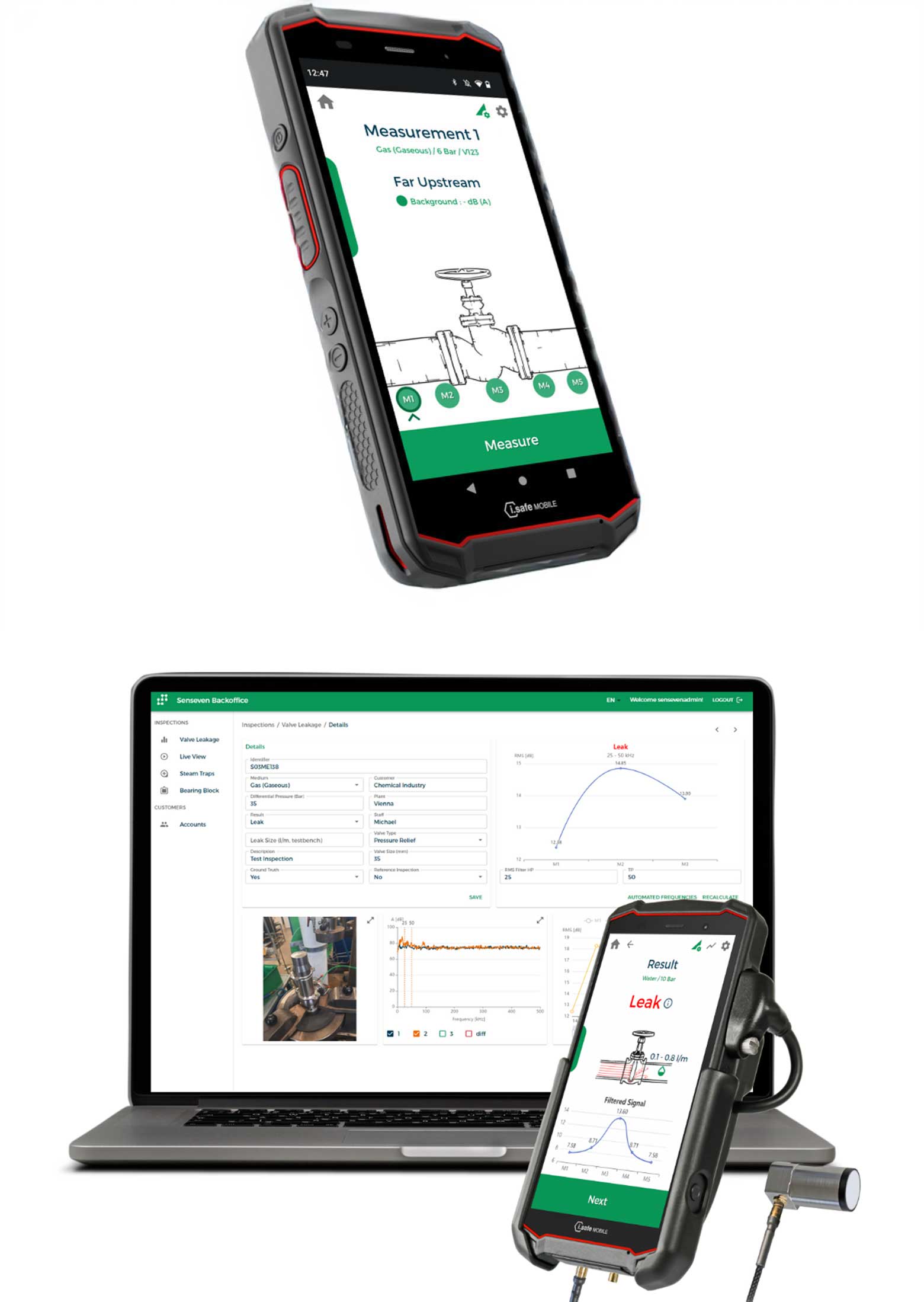
Using Senseven’s Valve Sense acoustic emission technology, our valve leak detection service identifies internal through‑valve leakage while the valve remains fully operational.

  • Requires no valve removal
  • Requires no shutdown
  • Eliminates guesswork and blind replacements
  • Produces consistent, repeatable, auditable results

ISO-Aligned Reporting & Actionable Outputs

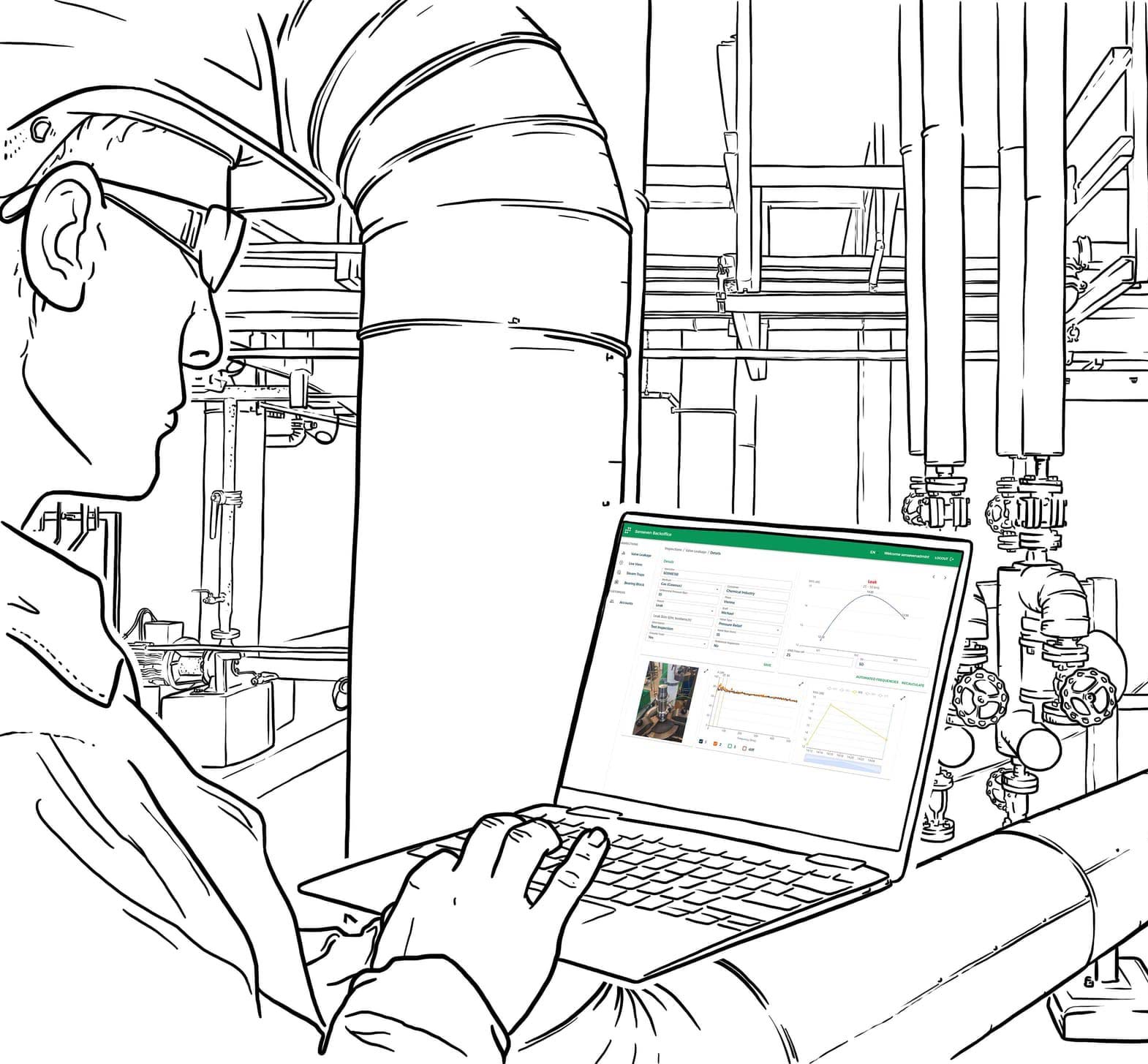
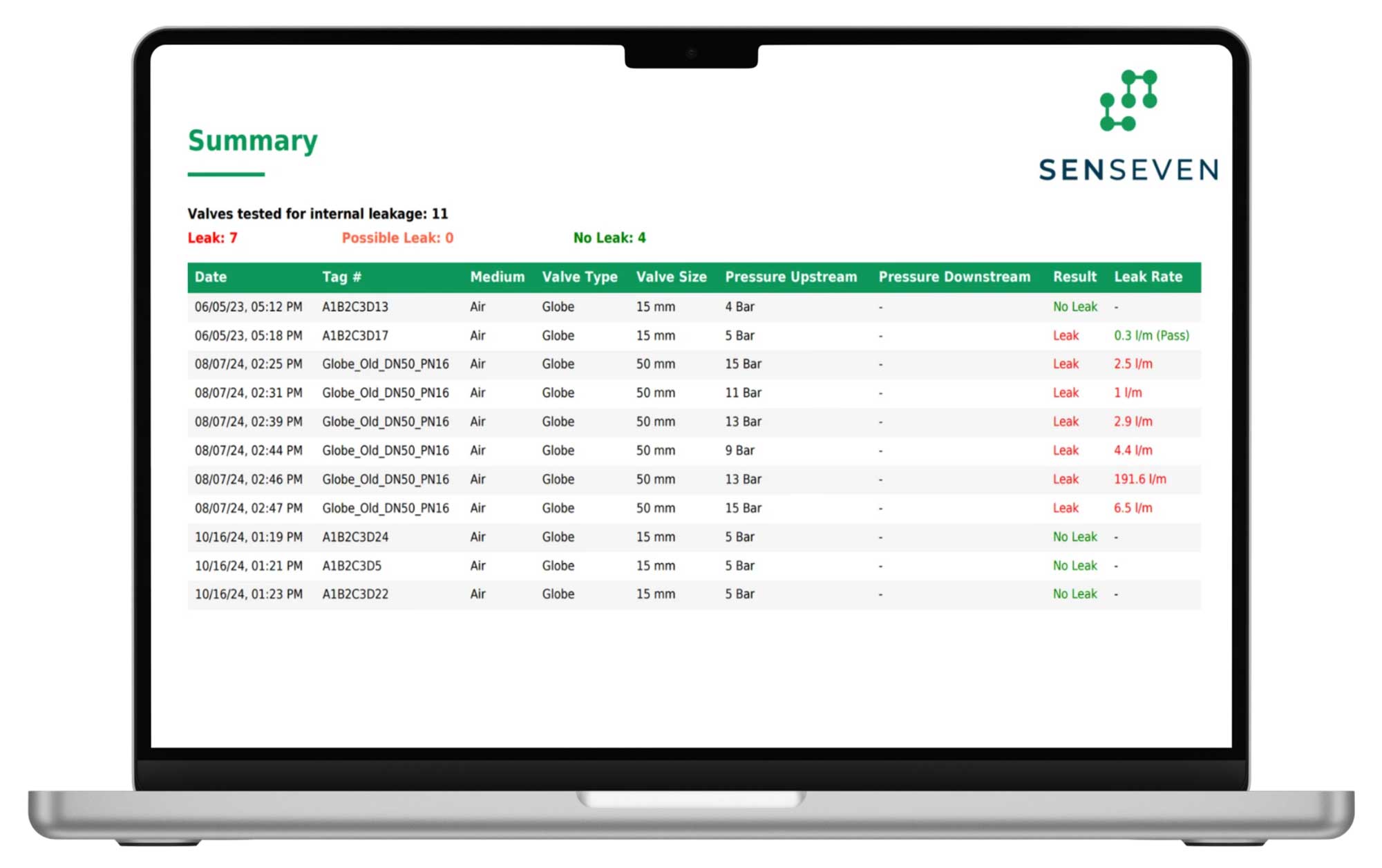
Inspection results are delivered in structured, ISO‑aligned digital reports designed for maintenance and reliability workflows.

Reports typically include:

  • Valve identification and service conditions
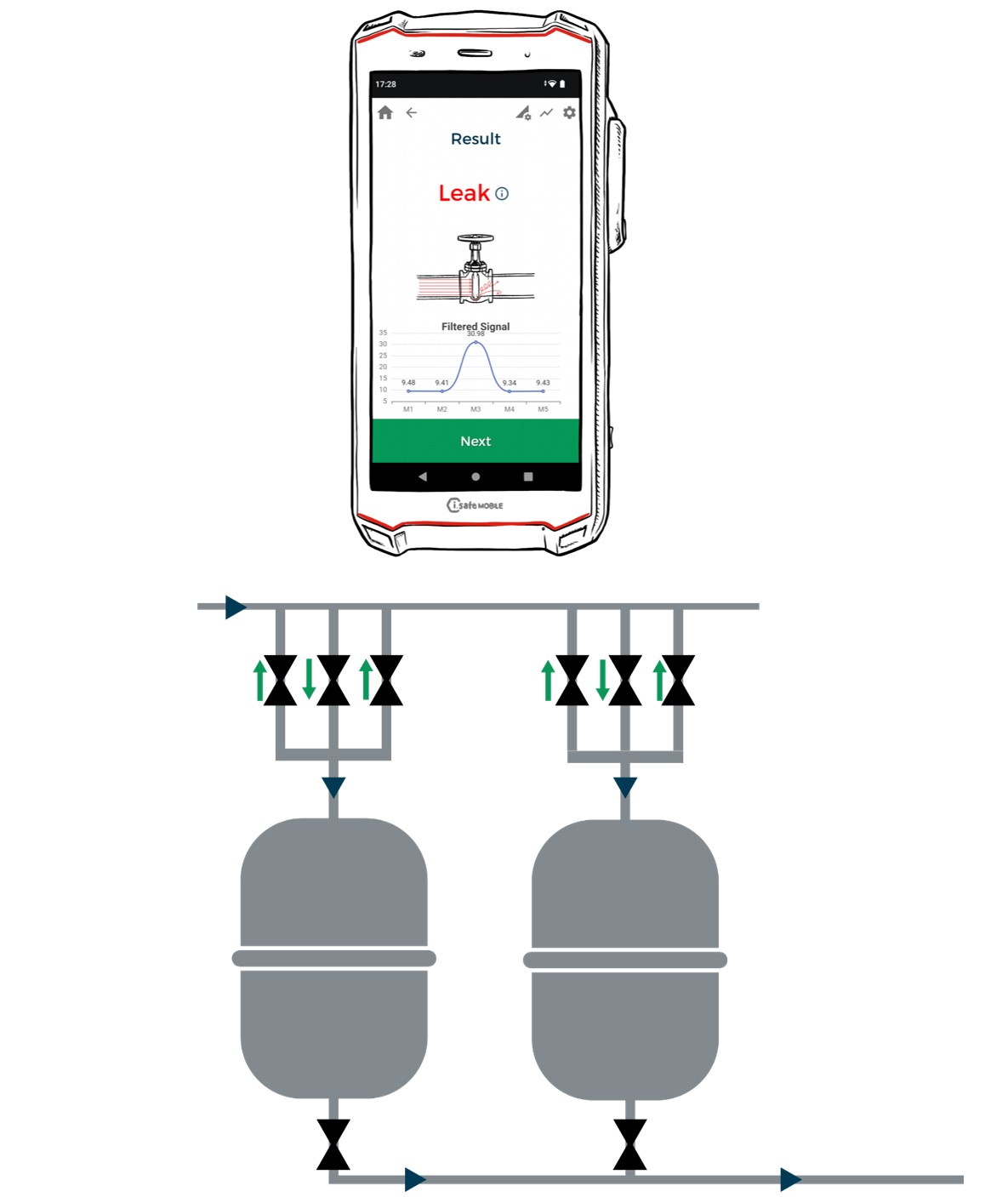
  • Leak presence and severity classification
  • Relative leakage assessment
  • Inspection date and technician traceability

Get a FREE assessment & technology demo. Connect with a valve leak specialist today!

Stop guessing which valves are leaking.
1-800-265-1005

Advanced Acoustic Valve Leak Detection Technology

Our acoustic valve leak detection service is powered by Senseven’s high‑frequency acoustic emission (AE) technology, designed to identify and quantify internal through‑valve leakage while the process remains online.

This is not a listening device or subjective ultrasound check. It is a data‑driven diagnostic method built for industrial environments where traditional inspection methods fall short.

How the Technology Works

How the Technology Works


Leaking fluid passing through a closed valve generates high‑frequency acoustic emissions caused by turbulence, friction, and energy dissipation at the seat and trim.


The inspection system:

  • Captures high‑frequency AE signals (typically 25 kHz to 500 kHz) directly from the valve body and adjacent piping

  • Filters out low‑frequency plant noise and vibration

  • Uses guided measurement points to ensure repeatable data capture

  • Applies proprietary algorithms to determine leak presence and severity

This enables accurate detection even when valves are:

  • Fully insulated

  • Operating under high pressure or temperature

  • Located in noisy plant environments

How the Acoustic Inspection is Performed?

How the Acoustic Inspection is Performed?


1. Valve Identification
Critical valve metadata is captured to tie inspection results directly to maintenance planning.

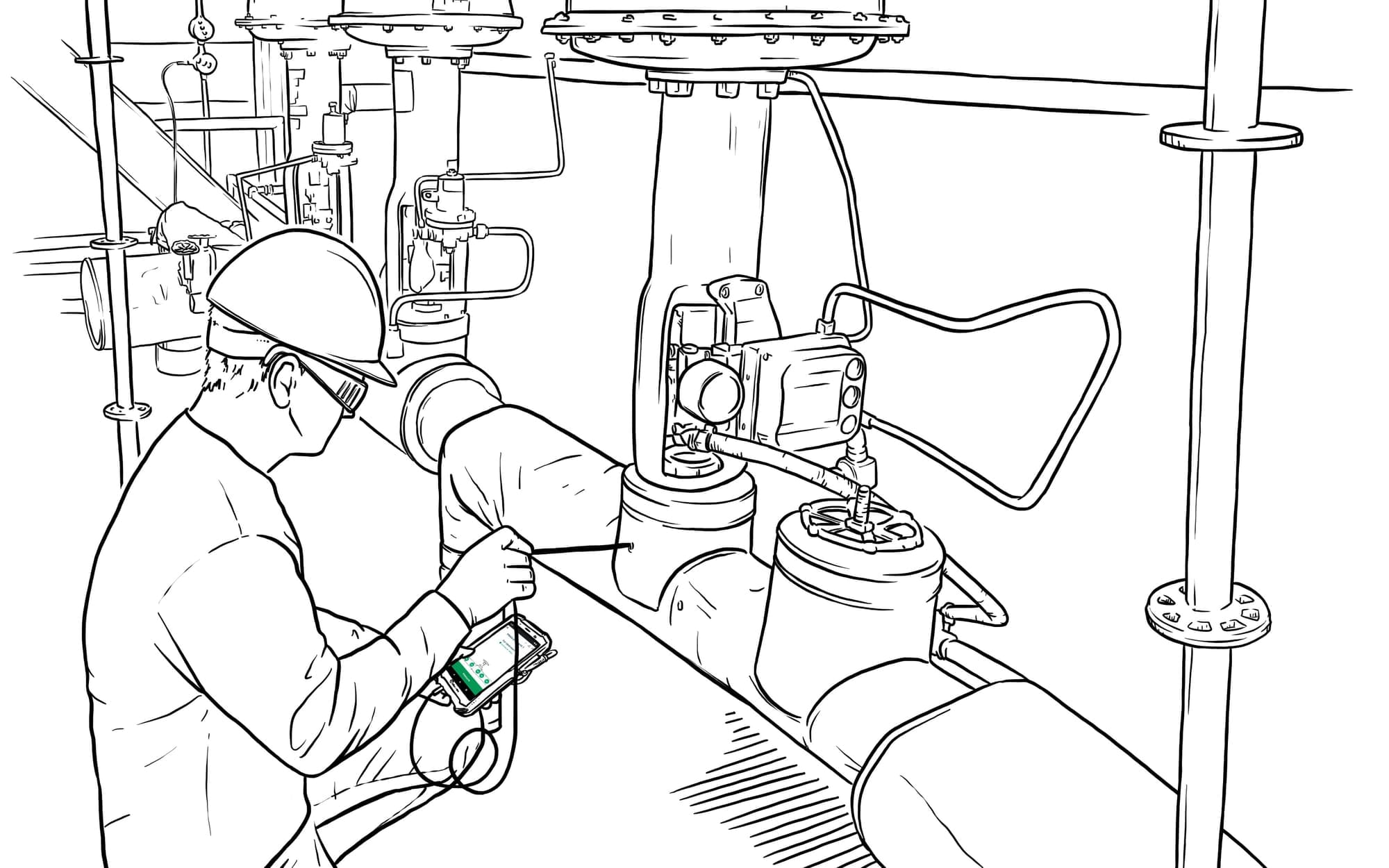
2. Acoustic Measurement
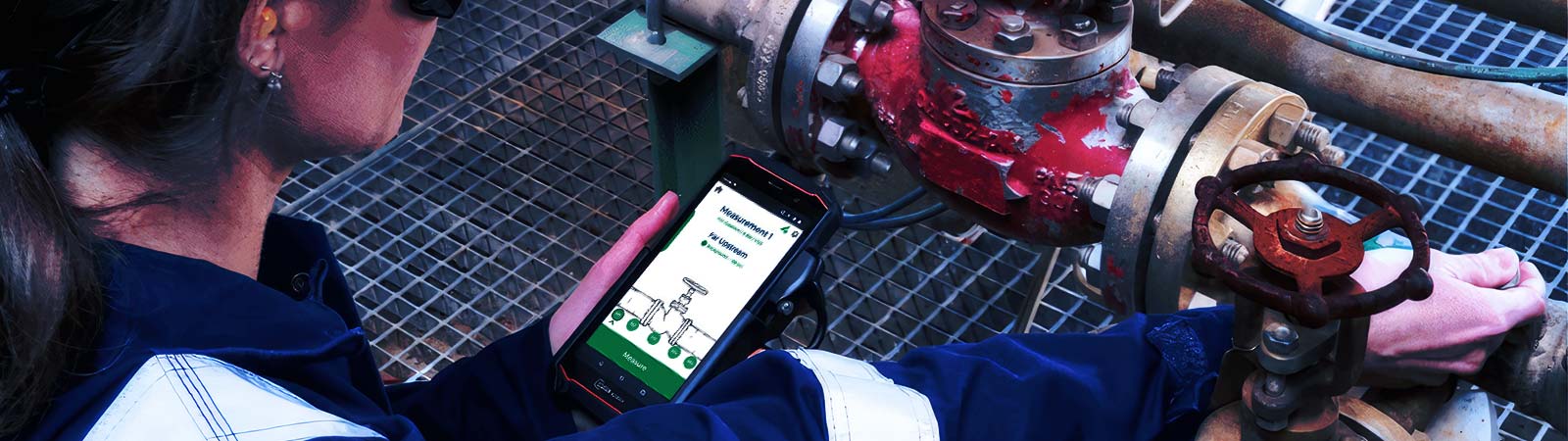
Technicians collect high‑frequency acoustic signals at key points on the valve using guided measurement locations.

3. Automated Analysis
Software analyzes the acoustic signature to determine leak presence and severity.

4. Actionable Reporting
Results are delivered in a structured report aligned with maintenance and repair planning.

Example Assessment Results

Example Assessment Results


Facts about the plant:

  • Ethanol Plant
  • Plant capacity of ~100 million gallons per year
  • Inspected 16 valves on the Molecular Sieve
  • 3 through-valve leaks were identified
 

Results:

  •  Leaking valves had a negative impact on efficiency, difficulty in achieving desired vacuum
  • Molecular sieve unit performance was negatively impacted,  risking product quality
  • Capacity reduction by up to 5%
  • Without taking action, the economic impact of product loss amounts up to CAD 3.5 mn/year

Get a FREE assessment & technology demo. Connect with a valve leak specialist today!

Stop guessing which valves are leaking.
1-800-265-1005