Back To Top

Dehydration Heater (H-202) Upgrade

April 30, 2024

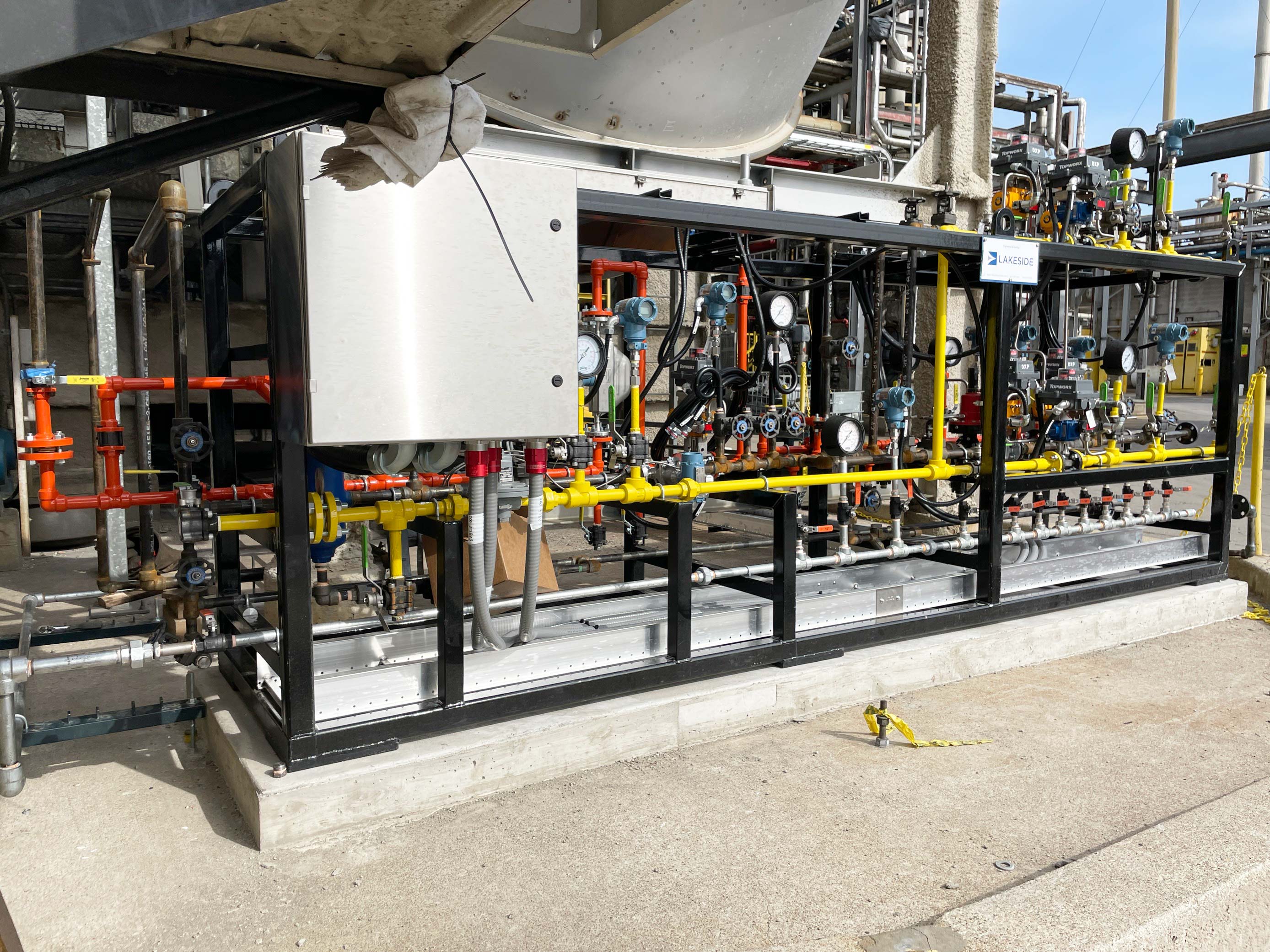
Lakeside led a critical modernization initiative at a re-refining facility in Ontario, focused on upgrading the Dehydration Heater. This system plays a dual role—destroying contaminants found in used motor oil and recovering waste heat to support the dehydration process—making it essential to both environmental compliance and production efficiency.

The existing system, originally installed in 1995, had become increasingly unreliable due to obsolete components and limited integration with the plant’s control infrastructure. In response, Lakeside facilitated a stakeholder-driven approach involving operations, engineering, maintenance, and safety teams to define the project scope and performance goals.

The solution was delivered in two phases. Phase 1 involved the replacement and relocation of the fuel train and the upgrade of the first burner, including a new Burner Management System (BMS) based on DeltaV SIS technology. Phase 2 recommissioned the second burner to provide redundancy and enable off-gas combustion. The new BMS was designed to meet CSA/TSSA standards and integrated seamlessly with the existing DCS, transitioning from hardwired relays to a communication-based control system.
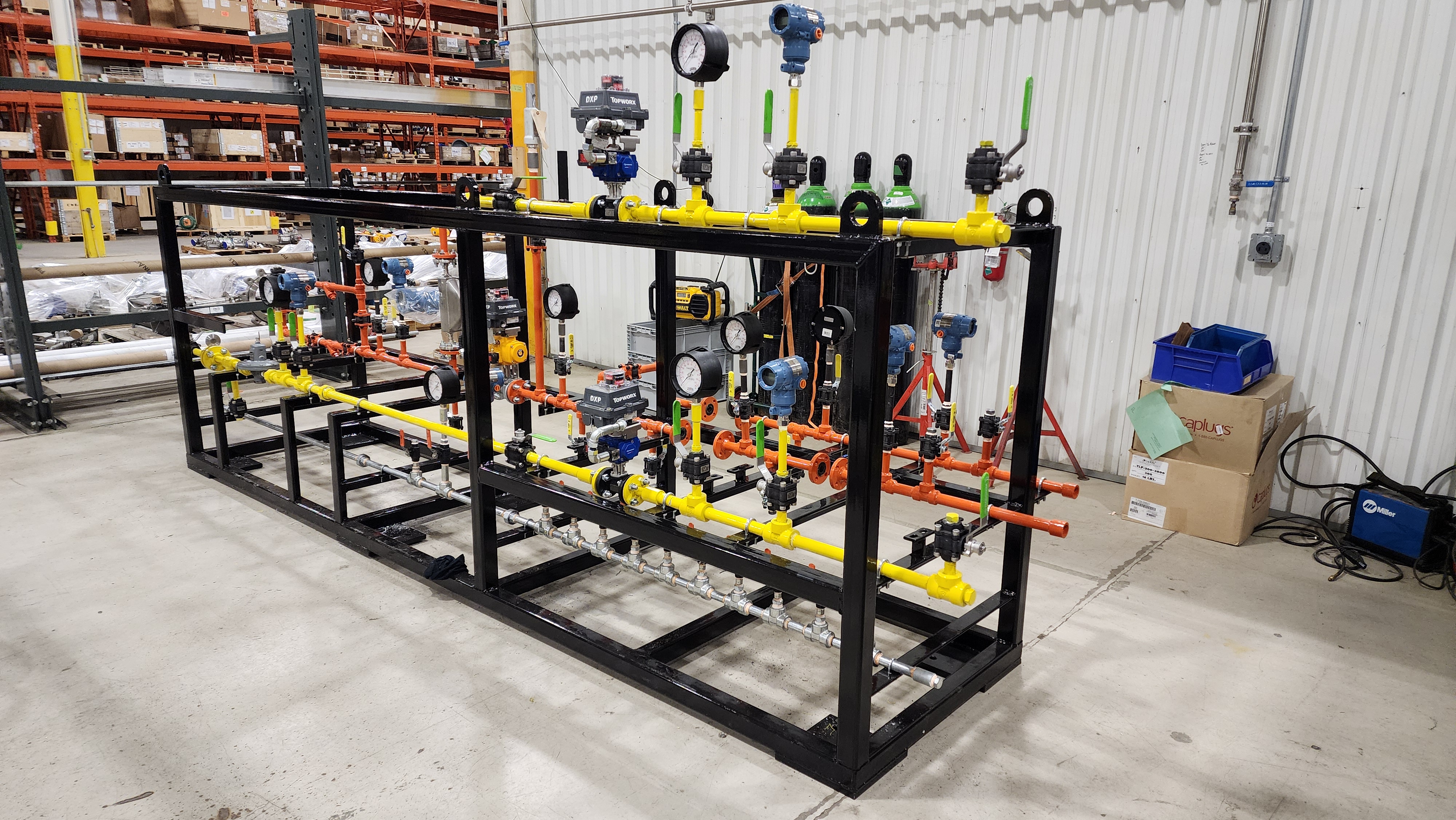
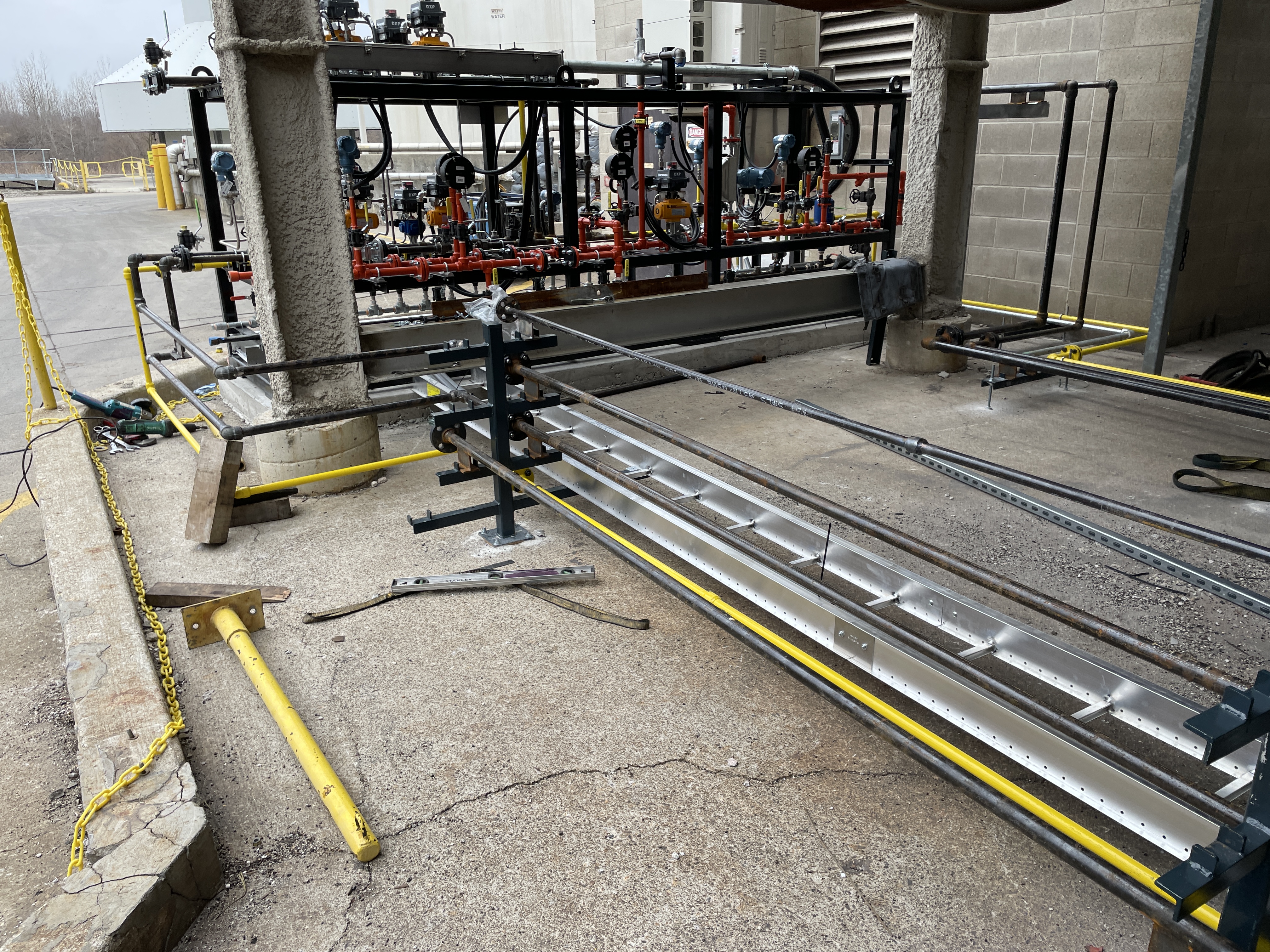
Scope of work included engineered design, fuel train fabrication, BMS development and programming, and full commissioning. Key outcomes included a reduction in purge time from 10 to 5 minutes, improved fault diagnostics through “First Out” and alarm logging, and enhanced operator visibility and safety through additional instrumentation. The project was executed within the constraints of a scheduled plant shutdown, minimizing operational disruption.


This initiative highlights Lakeside’s ability to modernize critical infrastructure, reduce downtime, and deliver high-performance combustion solutions that align with both operational and sustainability objectives.