Back To Top
What is Steam Conditioning & Desuperheating?

What is Steam Conditioning & Desuperheating?

A desuperheater reduces steam temperature by injecting a controlled amount of cooling water into the steam flow. Achieving reliable temperature control depends on proper sizing, application design, and selection based on actual process conditions. While the equipment itself is relatively simple, effective desuperheating requires careful consideration of thermal behavior, flow dynamics, and operating variability within the steam system.

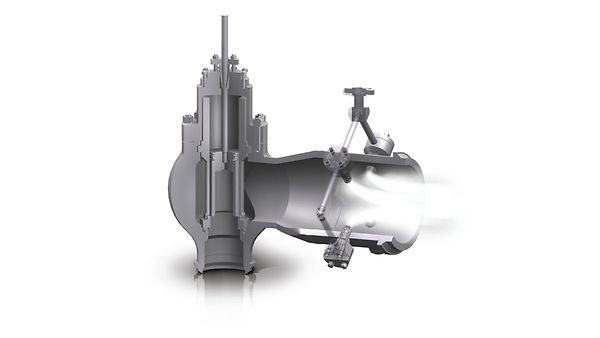
Steam conditioning valves combine pressure reduction and temperature control into a single, integrated device. They are commonly used in demanding applications where tighter control and improved energy efficiency are required. By uniting both functions, steam conditioning valves provide more stable outlet temperatures, improved noise reduction, and greater installation flexibility—often reducing piping complexity compared to standalone desuperheating solutions.
VIEW PRODUCTS

Power Generation

Competing in today’s power market requires heavy emphasis on the ability to utilize multiple strategies. Increased cyclical operation, daily start-stop, and faster ramp rates are used to ensure full load operation at daily peak hours to maximize profit and allow for plant availability.

Hydrocarbon and Petrochemical Industries

Temperature is controlled in a variety of ways in a process plant environment. The most common ways to control temperature are through the use of heat exchangers and process steam. Process steam must be conditioned to a point near saturation where it is transformed into a medium that is more efficient for heat transfer. Properly selected equipment will ensure optimum plant availability, reliability, and profitability.


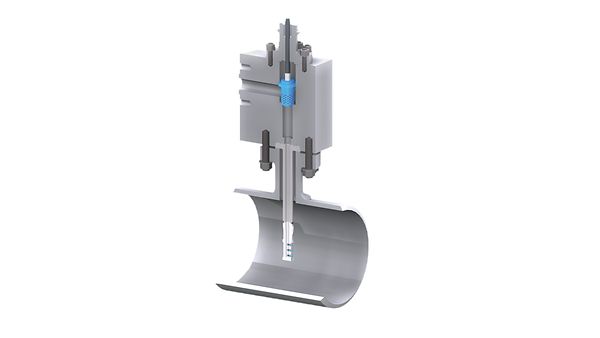
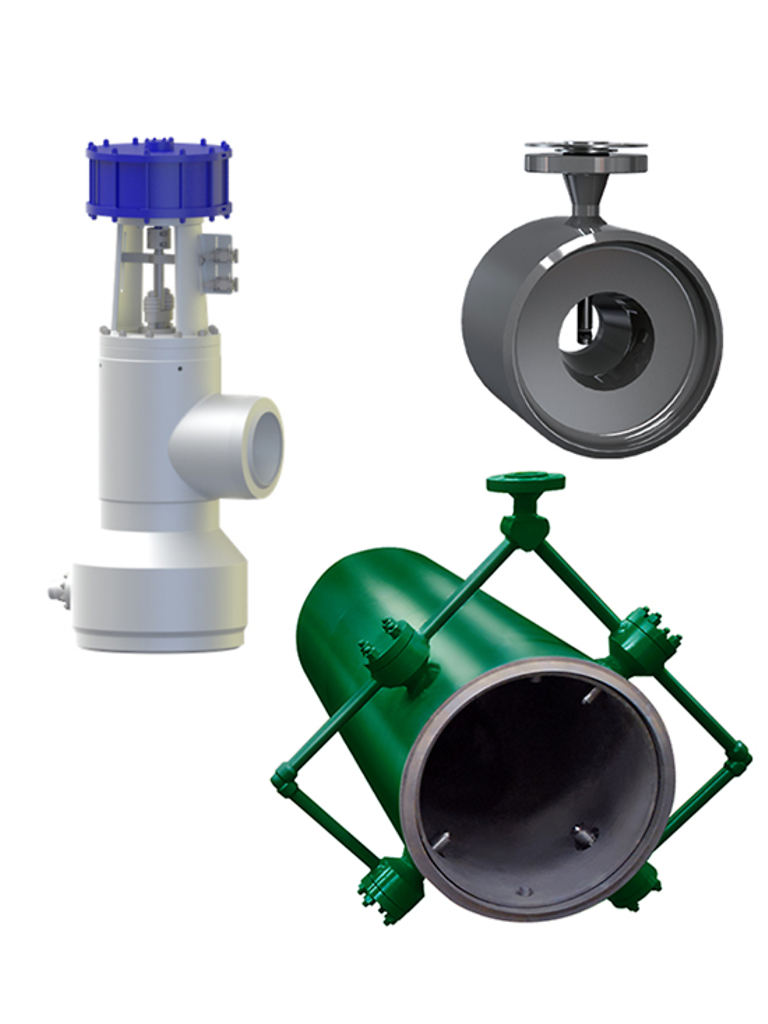
A steam conditioning valve is designed to precisely manage steam pressure and temperature within a single integrated control solution. Following the pressure‑reducing stage, an engineered spraywater manifold introduces cooling water directly into the steam flow to achieve accurate temperature control.

The spraywater system utilizes advanced nozzle geometry and pressure‑responsive operation to promote uniform distribution, rapid mixing, and efficient vaporization of the injected water. This design helps ensure stable outlet steam conditions, improved thermal performance, and reliable operation across a wide range of process demands.

 
``


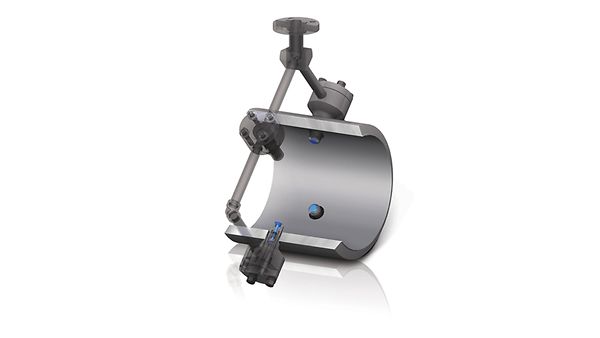
A steam attemperator is commonly applied in power boiler and energy generation systems where precise steam temperature control is required without simultaneous pressure reduction. It is also well suited for applications that call for a clear separation between pressure‑reducing equipment and desuperheating functions within the steam system.

The attemperator features a dedicated cooling water distribution manifold that supplies water to multiple spray nozzles integrated into the outlet piping. These nozzles introduce finely atomized water directly into the steam flow, promoting rapid mixing and efficient heat transfer within the highly turbulent steam environment. The result is consistent temperature reduction, improved thermal stability, and reliable performance across varying load conditions.


Fixed‑Geometry Nozzle Design

Mechanically atomized desuperheater using one or more fixed‑geometry spray nozzles. Best suited for applications with stable operating conditions requiring consistent steam temperature reduction.

Variable‑Geometry Nozzle Design

Equipped with back‑pressure‑activated, variable‑geometry spray nozzles to support effective temperature control during moderate load changes.

Self‑Contained Design

Integrates variable‑geometry nozzles with a built‑in spraywater flow control element, reducing space requirements and limiting piping modifications for retrofit installations.


Videos

Title Goes Here
Title Goes Here

Resources

Education

Interested in attending a training class?

Visit Course Listing